Anime locations are easy to find.
Getting there is the hard part.
AnimeTrail turns the places behind anime into trips you can actually book.
What stays with you afterwards is usually something small: steam coming off an open-air bath at the top of a hill, a gondola dropping towards a lake in the mountains, a quiet platform in the middle of the afternoon.
We check the trains, the taxis, the licences, the closing days and the reservation rules, then build the route around what really runs.
Choose a series
Start with the anime you want to follow. Each series has its own map of places, trip plans and practical guides.
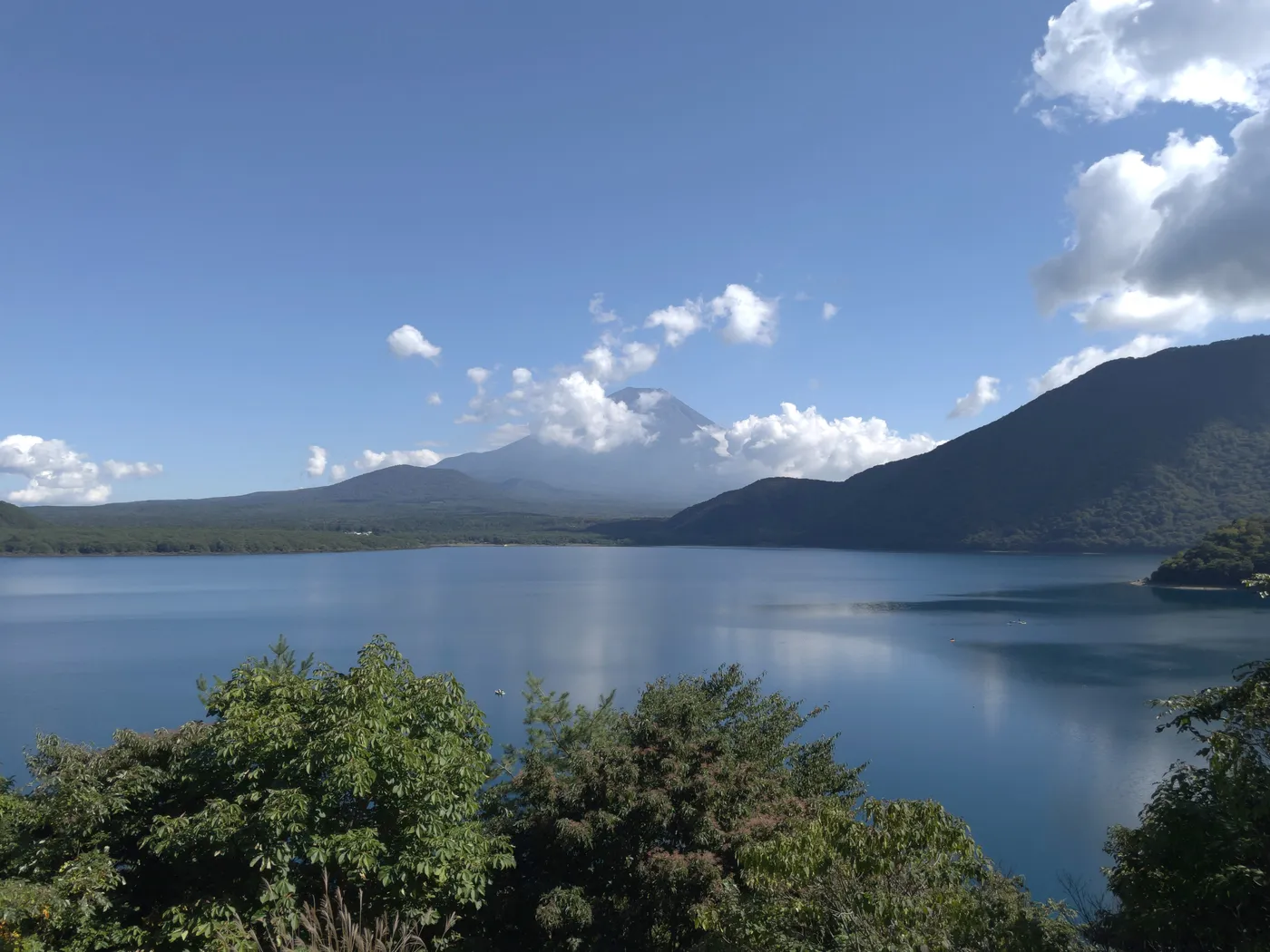
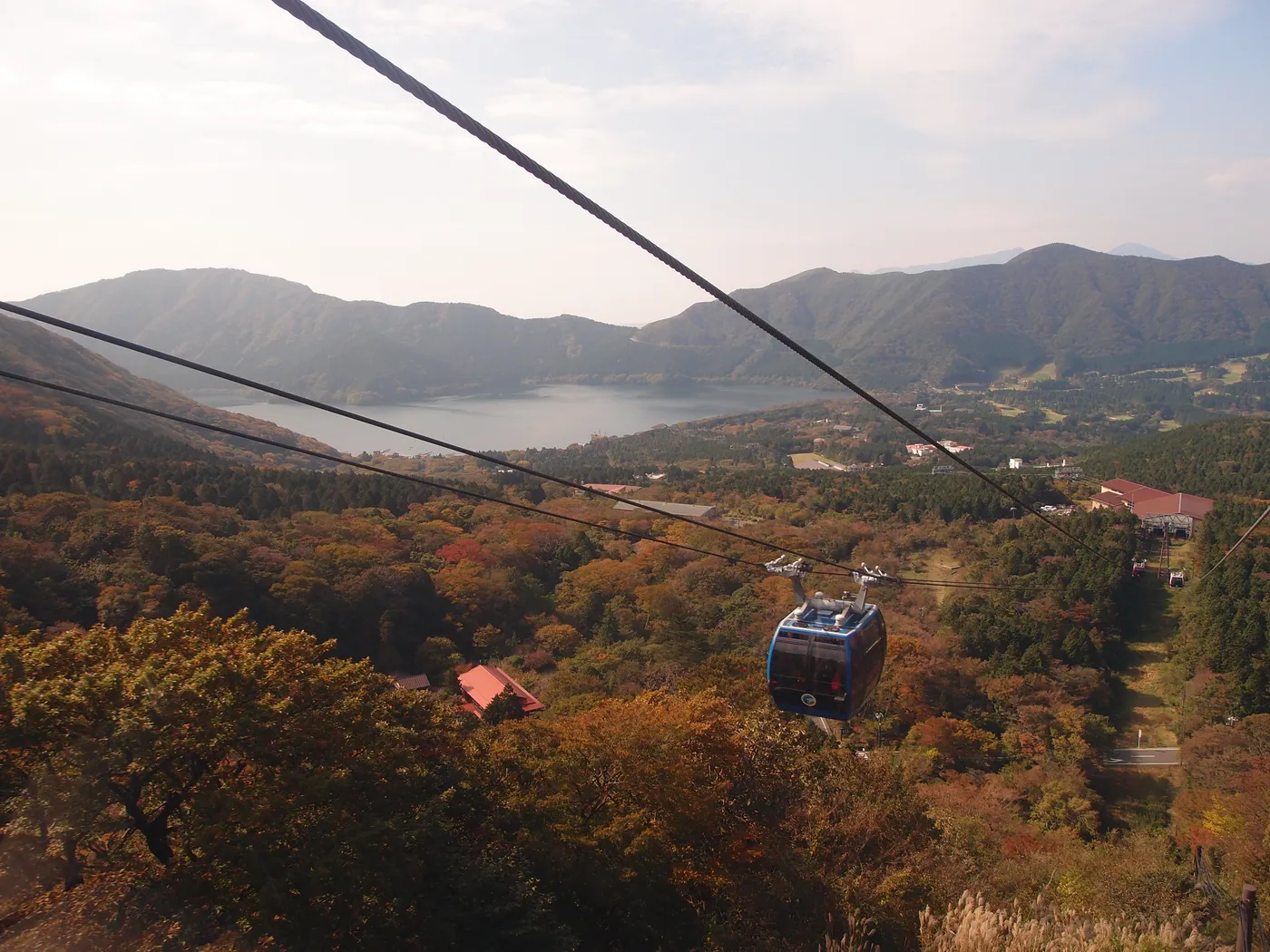
How long do you have?
Every trip starts and ends in Shinjuku. Each plan shows the trains and what to book before you go.
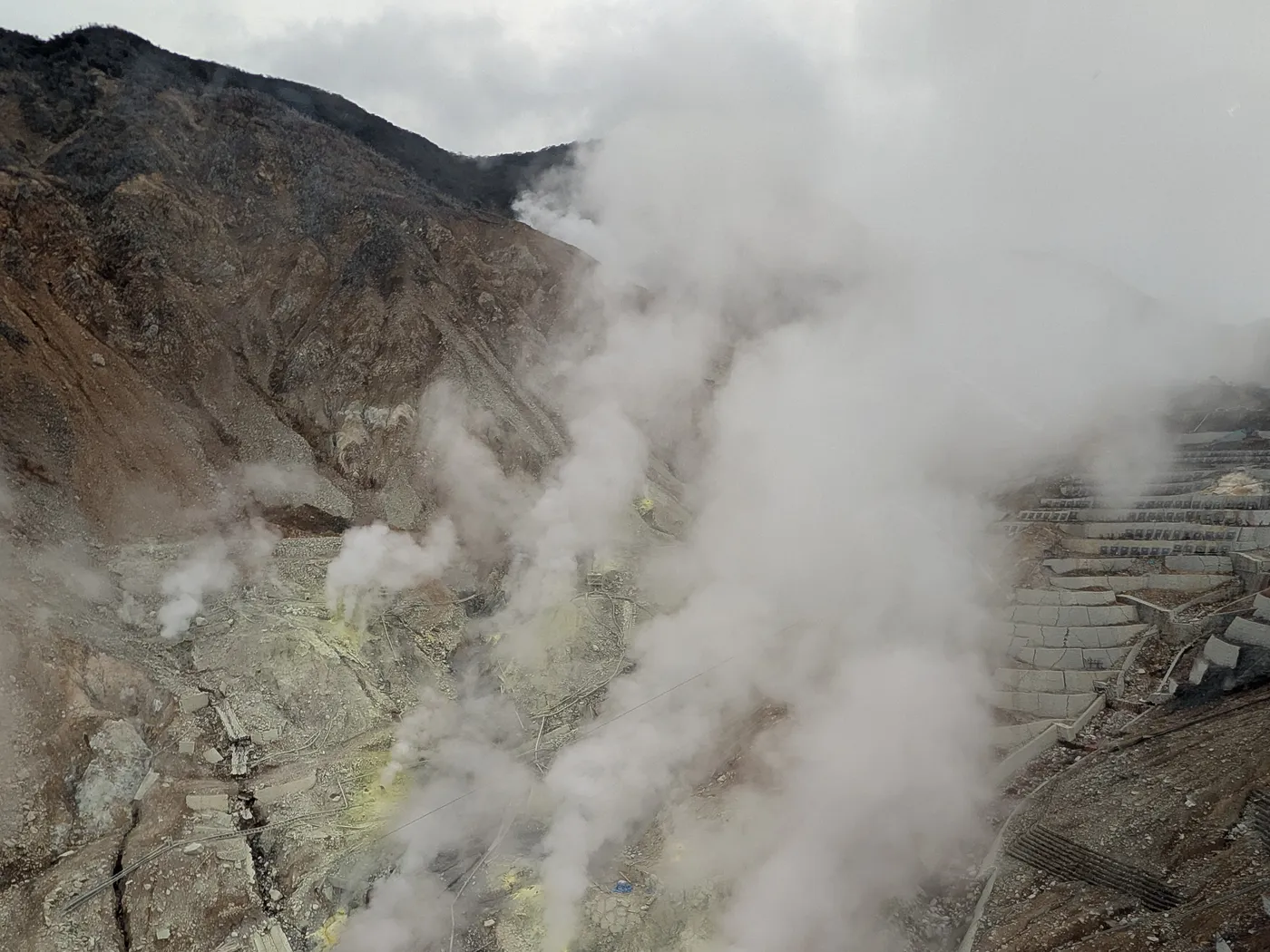
The main scenes in one loop
Sengokuhara, the ropeway to Owakudani and the pirate ship, in one loop from Shinjuku.
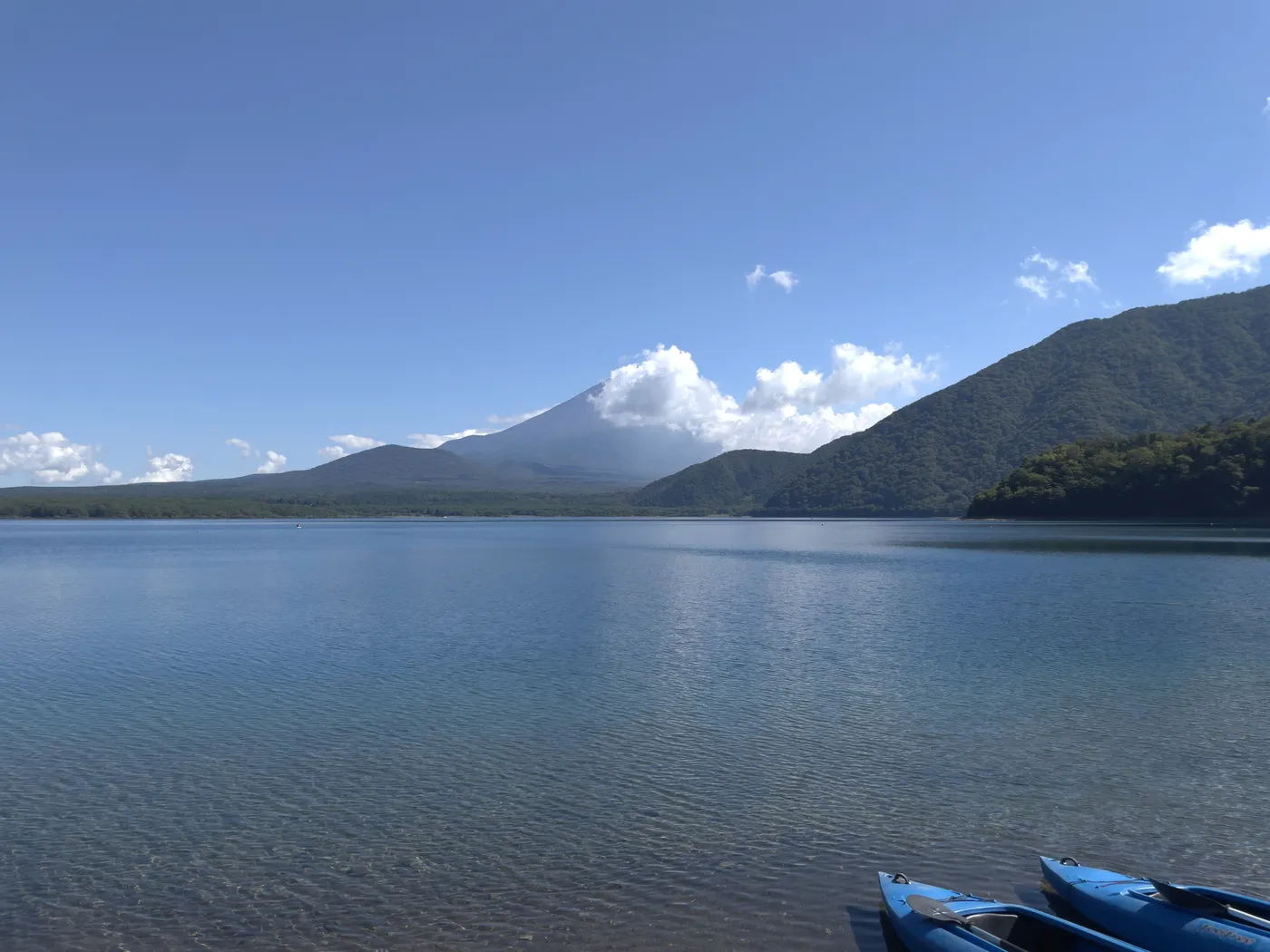
Fit Yamanashi into a Tokyo holiday
One night out of the city, with Lake Motosu as the main stop. By train and taxi, or with a rental car from Kofu.
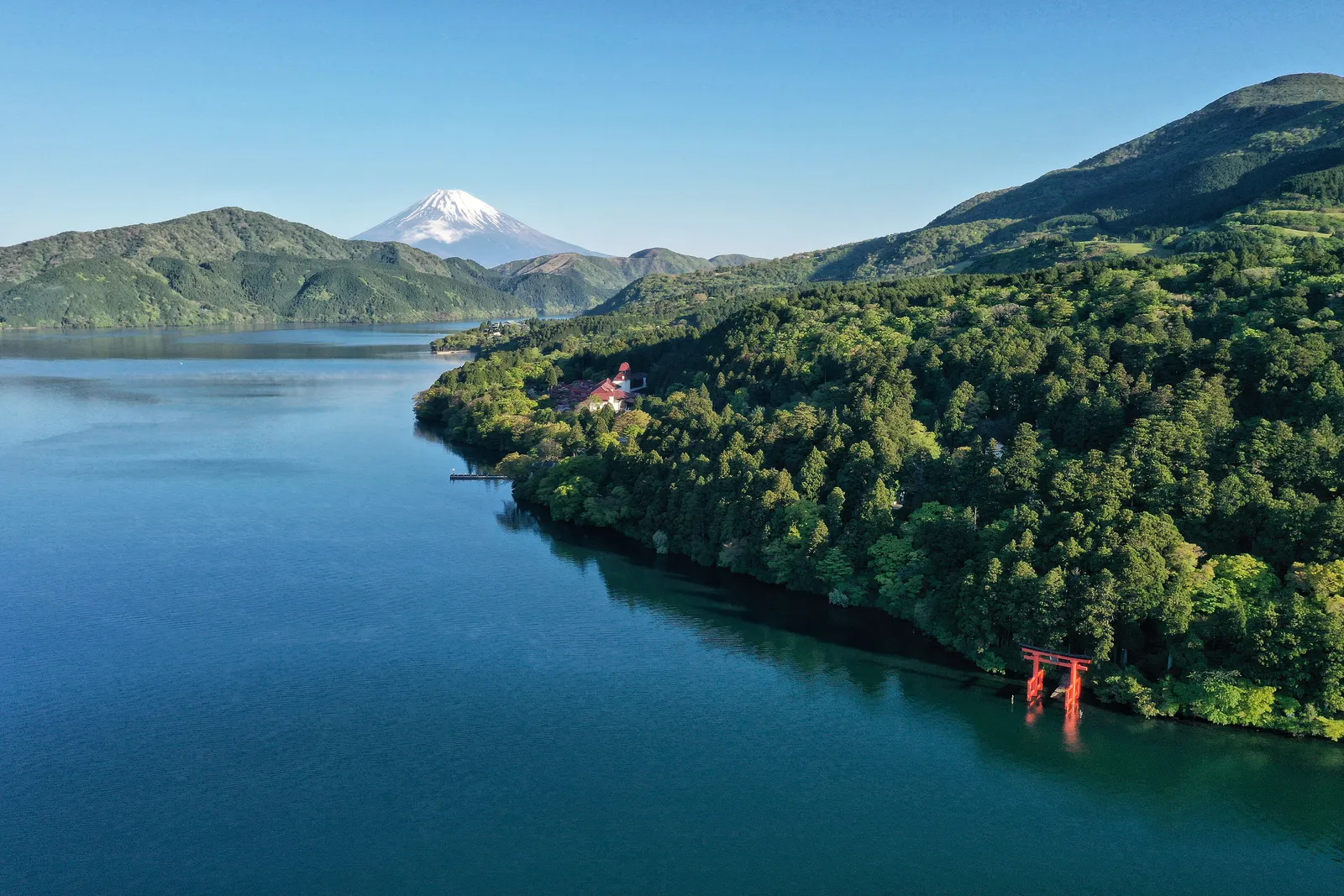
The ropeway and the lake on separate days
Day 2 crosses Lake Ashi for Operation Yashima and climbs the steps at Hakone Shrine.
Make the pilgrimage the reason you came
One area per day, with time to stop. The trip ends at Lake Motosu, where the series begins.
We are researching more series, and we publish a new guide only when the full trip works from start to finish.
Not another list of pins
A map pin tells you where a scene was drawn. It does not tell you the last train back.
Routes, not location lists
We build each trip around published timetables, then check that the whole day works from start to finish.
Checked against official sources
Times, fares and opening days come from the railways, bus companies and businesses themselves, and each page shows the date we checked them.
For travellers from abroad
IC card limits, licence paperwork, cash-only counters, luggage that will not fit the station stairs. These are the things that stop a trip that looks fine on paper.
How we check
We check the practical details of every trip before we publish it, and say plainly when something could not be confirmed.
Photo credits (3)
These photos are from Wikimedia Commons and are used under the licences shown.
- “Lake Ashi & Mt Fuji & Hakone Shrine” by Charlie fong, CC BY-SA 4.0, via Wikimedia Commons. Resized and converted to WebP. This adapted version is also licensed under CC BY-SA 4.0.
- “A view of Owakudani and ropeway, Hakone, Japan” by Joli Rumi, CC BY-SA 4.0, via Wikimedia Commons. Cropped, resized and converted to WebP. This adapted version is also licensed under CC BY-SA 4.0.
- “Hakone Ropeway @ From Owakudani to Togendai” by Guilhem Vellut, CC BY 2.0, via Wikimedia Commons. Resized and converted to WebP.